
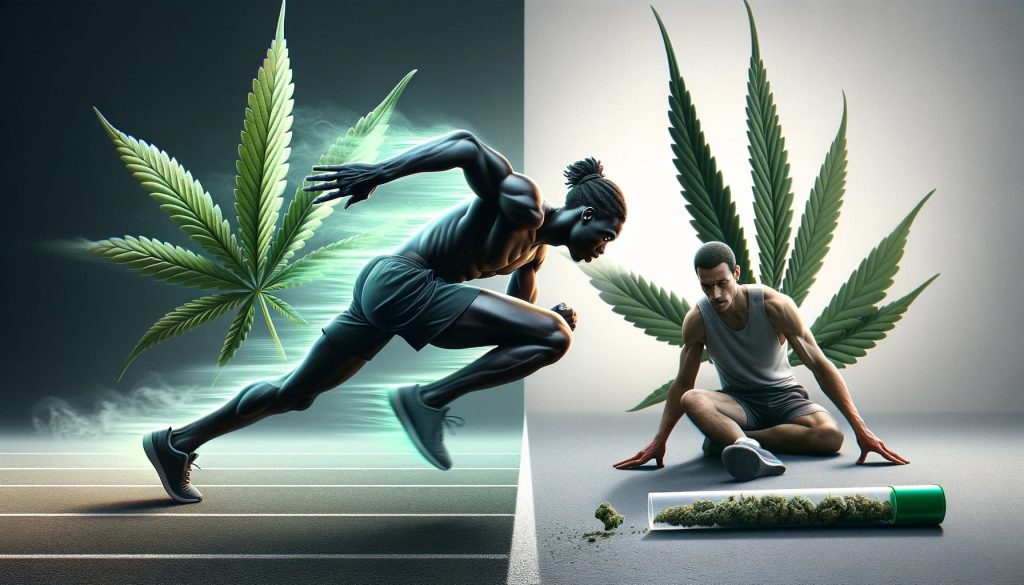
The use of cannabis, also known as marijuana, has been a topic of growing interest in the world of sports. Over the years, there have been cases of professional athletes being sanctioned for using cannabis, since it’s on the World Anti-Doping Agency (WADA) list of prohibited substances. However, opinions are divided on whether marijuana really affects athletic performance significantly.
Table of Contents
ToggleEffects of Cannabis on Sports Performance
While it’s true that marijuana can have negative effects on athletic performance and health, arguments have also been made about possible benefits of cannabis use in a sports context. It’s worth noting that these possible benefits can vary depending on the individual and the situation. Some of these potentially positive aspects include:
- Anxiety reduction: For some athletes, especially those facing high competitive pressure, using marijuana may help relieve anxiety. This could allow them to approach important competitions with greater calm and focus. However, it's important to note that marijuana's anxiolytic effect can vary and doesn't work the same way for everyone.
- Pain relief: Marijuana has been used to treat chronic pain and inflammation. Some athletes who experience injuries or persistent discomfort may find temporary pain relief through cannabis use. This can allow them to continue their training or competition more comfortably.
- Better sleep: Cannabis has also been associated with improved sleep quality in some people. Adequate sleep is essential for recovery and athletic performance, so athletes who struggle with sleep problems might consider cannabis as an option to improve their rest.
- Creativity and focus: Some athletes claim that moderate cannabis use can boost their creativity and focus during training. This could be beneficial for sports that require a high degree of creativity and decision-making, such as skateboarding or surfing.
It is critical to remember that these potential benefits are subjective and can vary widely from person to person. In addition, marijuana use carries risks and side effects, such as loss of coordination and altered perception, which can have a negative impact on athletic performance and personal safety.
Marijuana and sports ethics
The use of marijuana in sports faces not only medical and performance issues, but also deep ethical considerations. The inclusion of marijuana on the list of substances banned by the World Anti-Doping Agency (WADA) and other sports organizations raises a number of ethical dilemmas and challenges for the sports world.
- Fairness and justice: One of the main ethical dilemmas lies in fairness and justice in sport. The ban on marijuana use in sports competitions raises the question of whether it's fair to sanction athletes for using a substance that may have variable effects on performance. Some argue that marijuana doesn't provide a significant competitive advantage in most sports, which calls into question the justification for including it on the list of banned substances.
- Regulatory inequalities: Another ethical issue relates to the inequalities in cannabis regulations across different countries and states. While marijuana is legal for recreational or medical use in some places, it remains illegal in others. This creates an ethical dilemma, since one athlete could be sanctioned for using marijuana in a place where it's legal, while another would face no consequences in a different jurisdiction.
- Impact on athletes' personal lives: Sanctions for marijuana use can have a significant impact on athletes' personal and professional lives. A sanction for marijuana use can result in suspension, loss of sponsors or damage to an athlete's reputation, which can have long-term consequences for their career and well-being. This raises ethical questions about the proportionality of sanctions compared with the supposed benefit of maintaining fair play.
- Reviewing anti-doping policies: Given the shift in opinions and regulations on cannabis in many parts of the world, some voices argue that anti-doping policies on marijuana need to be reviewed. This could involve considering higher thresholds for THC detection or removing cannabis from the list of banned substances in certain contexts.
Cannabis Consumption in Sports
Marijuana use among professional athletes has gained notoriety in the media and raised important questions about anti-doping policies and public perception of athletes. Some well-known athletes have publicly admitted to using cannabis, sparking debate about how these cases should be handled and whether existing regulations are adequate.
- The controversy around high-profile athletes: When professional athletes, especially those with high public profiles, admit to using marijuana, it often sparks controversy and debate. These cases can highlight the differences in anti-doping regulations between different sports and sporting organizations, as well as the public perception of athletes as role models.
- Sanctions and consequences: In some cases, athletes have been disqualified or sanctioned for testing positive in drug tests due to cannabis use. This raises questions about the proportionality of sanctions and whether marijuana use should be equated with the use of performance-enhancing substances. Some argue that sanctions for marijuana use are excessive, especially considering that its impact on performance is debatable in many sports.
- Pressure to review anti-doping policies: Cases of professional athletes who use marijuana often put pressure on sports organizations and anti-doping authorities to review and update their cannabis policies. In some places, changes have been implemented to reflect changing opinions and regulations on marijuana.
- Legal and public context: The legalization of cannabis in certain geographic areas adds complexity to the issue. When an athlete uses marijuana somewhere it's legal, they may be perceived differently compared with someone who does so in an area where it remains illegal. This underlines the need for a fairer, more consistent approach to applying anti-doping policies related to cannabis.
Marijuana use in professional athletes poses significant challenges in terms of anti-doping policies, public perception and fairness in sport. The ongoing discussion on how to address these cases and revise regulations is essential to ensure that policies are fair and proportionate in relation to cannabis use in the world of sport.
Alternatives and strategies for the management of marijuana use in sports.
This section could address possible solutions or approaches to dealing with marijuana use in sport, taking into account the ethical, performance, and health challenges we have previously discussed. Some topics that could be included are:
- Education and awareness: Highlight the importance of providing athletes with accurate, objective information on marijuana's effects on performance and health. Promote informed, responsible decision-making.
- Sport-specific policies: Consider implementing anti-doping policies tailored to the characteristics and requirements of each particular sport, recognizing that marijuana's impact may vary depending on the type of sporting activity.
- Controlled therapeutic use: Explore the possibility of allowing controlled therapeutic use of marijuana for athletes who may benefit from its medicinal properties, always under medical supervision and in compliance with specific regulations.
- Rehabilitation and support: Offer support and rehabilitation programs for athletes struggling with substance abuse problems, including marijuana. These programs can help athletes address the underlying causes of their use and give them tools for a successful recovery.
- Ongoing research: Encourage scientific research on marijuana's effects on athletic performance and health, which can help guide future policies and regulations in a more precise, evidence-based way.
The inclusion of this section would allow for further exploration of how to address the issue of marijuana use in sport from a more practical and strategic approach, considering different approaches and solutions that can benefit athletes, sports organizations and anti-doping authorities alike.
Conclusions
In short, the intersection of marijuana and sports is a complex and multifaceted issue. Although some argue that marijuana could offer benefits in terms of anxiety or pain relief for certain athletes, its influence on athletic performance and its place within sports ethics remain a matter of debate.
Athletes must exercise responsibility for making informed decisions, weighing the risks and benefits based on their personal situation and the regulations of their sport.
In addition, anti-doping policies and regulations related to marijuana use need constant review and thoughtful debate. Fairness, equity and adapting to changing opinions and regulations surrounding marijuana are essential to maintaining a balanced perspective in the world of sport.
Advancing scientific research on the effects of cannabis on athlete performance and health must also be an essential component in informing future decisions and ensuring an evidence-based approach. Ultimately, the way forward regarding marijuana in sport will require an equitable, ethical and evolving approach.
You may also be interested in
Want to get to know us? Discover our cannabis association in Barcelona, see how to get to the club and request your invitation. Access for members aged 18 and over only.