

Pest control in cannabis is essential to ensure a healthy, productive grow. In an indoor grow, conditions can encourage insects and fungi to multiply, putting the plants’ health at risk. That’s why it’s crucial to put prevention and control strategies in place to maintain an optimal environment and avoid damage to the harvest.
In addition, the appearance of pests not only affects the growth and development of cannabis, but can also compromise the quality of the final product. Some pests, such as spider mites and thrips, feed on the sap, weakening the plant, while others, such as whiteflies, can transmit diseases. Early detection of the presence of these organisms is key to applying effective measures before the infestation spreads..
To minimize risks and ensure a healthy crop, it is important to know the most effective methods of pest prevention and elimination. From biological control to the use of ecological insecticides, there are several strategies that can be adapted to each type of crop..
Cannabis Pest Control: The Key to a Healthy Cannabis Cultivation
The success of an indoor grow depends largely on proper pest control in cannabis. Keeping the environment free of insects and fungi not only ensures healthier plants, it also optimizes the yield and quality of the harvest.
To manage pests efficiently, it’s essential to know the main threats that can affect cannabis plants and apply the most effective strategies to prevent and eradicate them.
Most Common Pests in Indoor Growing
In an indoor cannabis grow, temperature and humidity conditions can lead to a range of pests. Below are the most common ones and their effects on the plants:
- Red spider: One of the most destructive pests in cannabis crops. These small mites feed on the sap of the plant, weakening it progressively and causing yellow spots on the leaves. If not controlled in time, it can cause complete defoliation.
- Trips: Leaf spotted bugs: These are tiny insects that pierce the leaves to suck the sap. As a result, the leaves show small silvery spots and discoloration, which affects the photosynthesis process and slows plant growth.
- Whitefly: This insect feeds on the sap of cannabis and, in addition to weakening the plant, can transmit diseases. Its presence is easily detected by the accumulation of a sticky substance on the leaves, which facilitates the appearance of fungi such as black mold.
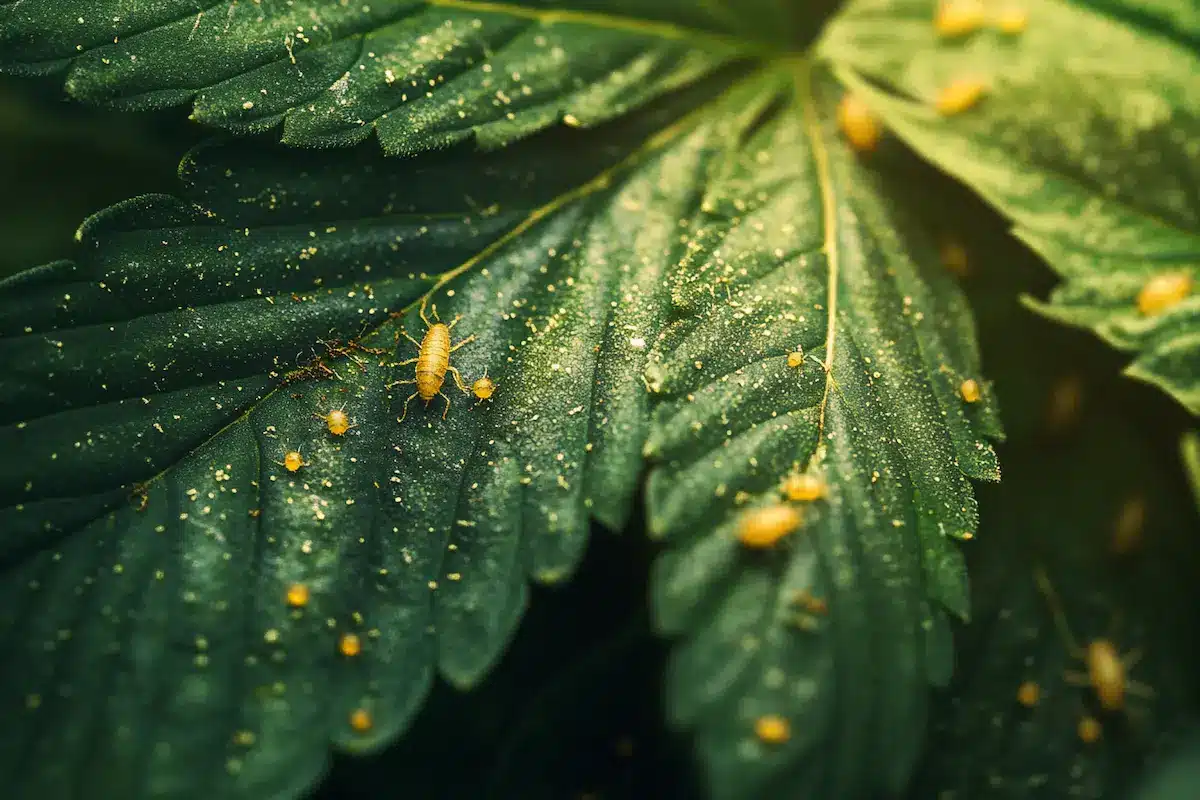
- Aphids: They are small insects that group together in colonies and reproduce rapidly. Their feeding based on plant sap causes deformation of leaves and the appearance of honeydew, a substance that attracts other harmful organisms.
- Leaf miners: Larvae feed on the inner tissue of leaves, leaving whitish trails along the way. Although in small numbers they do not cause severe damage, a massive infestation can significantly reduce the plant's ability to absorb light and develop its structures.
Why good pest control in cannabis is crucial
Pest control in cannabis not only prevents yield losses, it also ensures the quality of the harvest. An infestation that isn’t dealt with in time can weaken the plant, stunt its growth and even affect the potency and flavor of the buds.
Since an indoor cannabis grow takes place in an enclosed environment, it’s important to use prevention and eradication methods without overusing chemical pesticides, as these can leave residues that are harmful to health. In the following sections, we’ll explore how to effectively prevent and eliminate pests in an indoor grow.
How to Prevent Pests in Indoor Crops
Pest control in cannabis starts with prevention, since stopping insects and fungi from appearing is much more effective than fighting them once they’ve infested the grow. In an indoor grow, environmental conditions can encourage pests if they aren’t managed properly. That’s why it’s essential to create an optimal environment and use preventive methods that reduce the risk of infestation.
Optimal Crop Conditions
To minimize the chance of pests invading your grow, you need to maintain the right environmental conditions. Some key practices include:
- Temperature and humidity controlled: It is essential to avoid extreme conditions that favor the proliferation of insects and fungi. An overly humid environment facilitates the development of mites and fungi, while high temperatures can accelerate the reproduction of pests such as spider mites. Maintaining stable humidity and temperature levels is key to prevention.
- Good ventilation: An efficient ventilation system helps refresh the air and reduces moisture buildup, making it harder for pests and diseases to spread. Proper air circulation also strengthens the plants and improves their resistance to possible infestations.
- Cleaning and disinfection: Keeping the growing space clean is essential to prevent the introduction of pests. It is advisable to disinfect tools, pots and surfaces regularly. In addition, washing hands before handling plants prevents the transmission of external pathogens.
Use of Preventive Methods
Besides maintaining a controlled environment, there are several strategies to prevent pests from appearing in a cannabis grow. Some of the most effective are:
- Adhesive traps: They are a simple method to detect the presence of insects from the early stages of infestation. Placing them in strategic points allows identifying pests such as whiteflies, thrips and aphids before they become a serious problem.
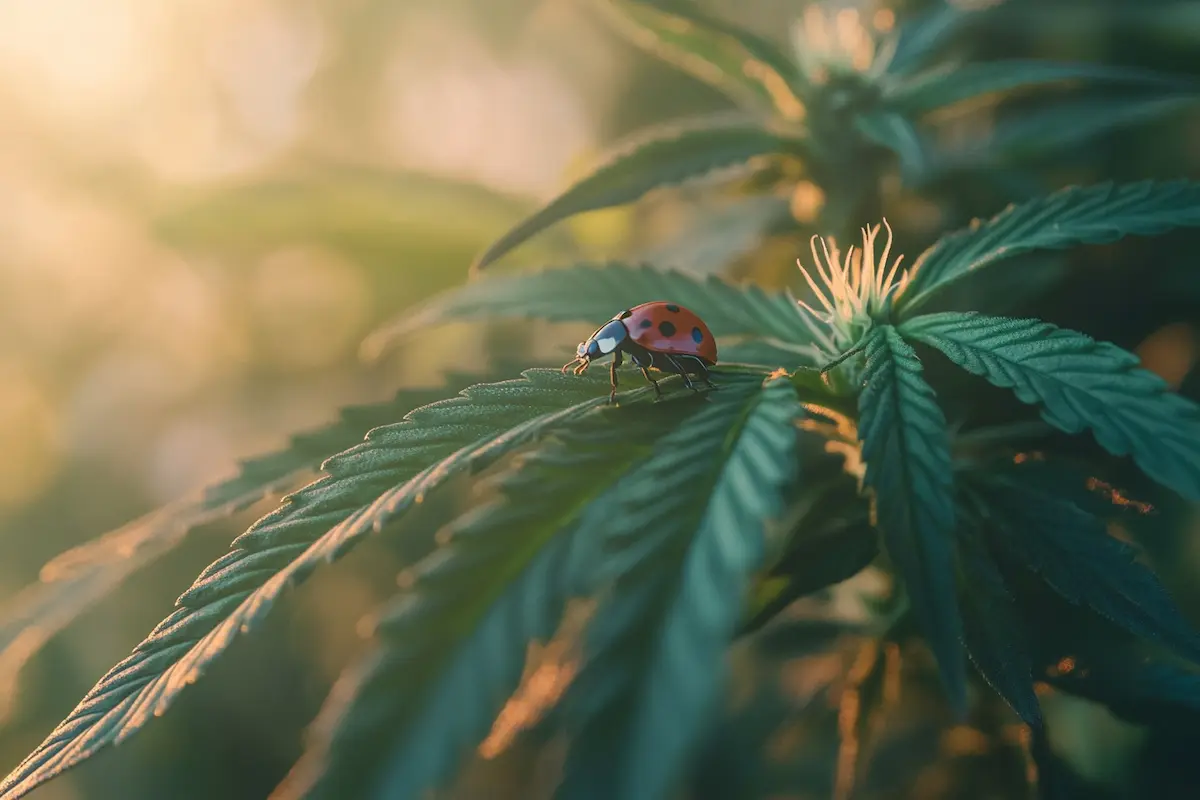
- Introducing natural predators: Adding beneficial organisms, such as ladybugs and predatory mites, is a biological solution that helps keep pest populations in check without resorting to chemicals. This technique is especially useful in organic grows.
- Crop rotation: Although in indoor cultivation it is not common to change the type of plant grown, it is advisable to vary the arrangement of plants and avoid reusing substrates without prior disinfection. This makes it more difficult for certain pests to become permanently established in the growing environment.
How to Eliminate Pests in Cannabis
Once a pest has taken hold in your indoor cannabis grow, it’s essential to act quickly to stop it from spreading and minimize the damage. Depending on the type and extent of the infestation, there are different strategies to eradicate pests effectively.
Below, we explore the most widely used methods to control pests in cannabis, from natural solutions to chemical treatments, always prioritizing the safety of the plants and the quality of the harvest.
Biological Methods
If you’re looking for an effective solution that’s free of harsh chemicals, biological methods are an excellent option. They rely on natural organisms or substances to fight pests without affecting the development or quality of the cannabis. The main strategies include:
- Introduction of natural predators: Some beneficial species, such as ladybugs or predatory mites (Phytoseiulus persimilis), feed on pests such as spider mites or aphids, keeping their population under control in a natural way.
- Using neem extract: This plant oil is an eco-friendly insecticide widely used in pest control in cannabis, as it works by disrupting the insects’ life cycle without harming the plant. It’s especially effective against thrips, aphids and whiteflies.
- Application of potassium soap: This biodegradable product eliminates soft-bodied pests, such as aphids or thrips larvae, by weakening their cellular structure. It is recommended to apply it at hours of low light intensity to avoid damaging the leaves.
Chemical Treatments
If the infestation has spread considerably and biological methods haven’t been enough, you may need to turn to chemical treatments. However, it’s essential to choose products that are safe and approved for growing cannabis, avoiding any toxic residue in the final harvest.
The main options within this category include:
- Approved organic insecticides for cannabis: There are specific products for pest control in indoor crops that do not compromise the quality and safety of cannabis. Before using them, it is essential to check their composition and make sure that they are suitable for use on plants intended for consumption.
- Essential oils such as rosemary or citronella: These natural extracts have insecticidal and repellent properties, helping to keep aphids, whiteflies and thrips at bay. In addition, they do not alter the organoleptic profile of cannabis or leave harmful residues.
Protect your crop and enjoy it without worries.
Pest control in cannabis is essential to ensure a healthy and productive indoor grow. By following these tips, you’ll be able to prevent and fight any pest effectively.
If you want to enjoy quality cannabis without worrying about these problems, join The Cut Barcelona, the cannabis club where you can access premium products and an exclusive atmosphere. Become a member today.
You may also be interested in
- How to grow and care for cannabis plants indoors
- Outdoor and Indoor Cannabis Cultivation: Pros and Cons
- Odor Control in Marijuana Grows
Want to get to know us? Discover The Cut Barcelona, see how to get to the club and request your invitation. Access for members aged 18 and over only.